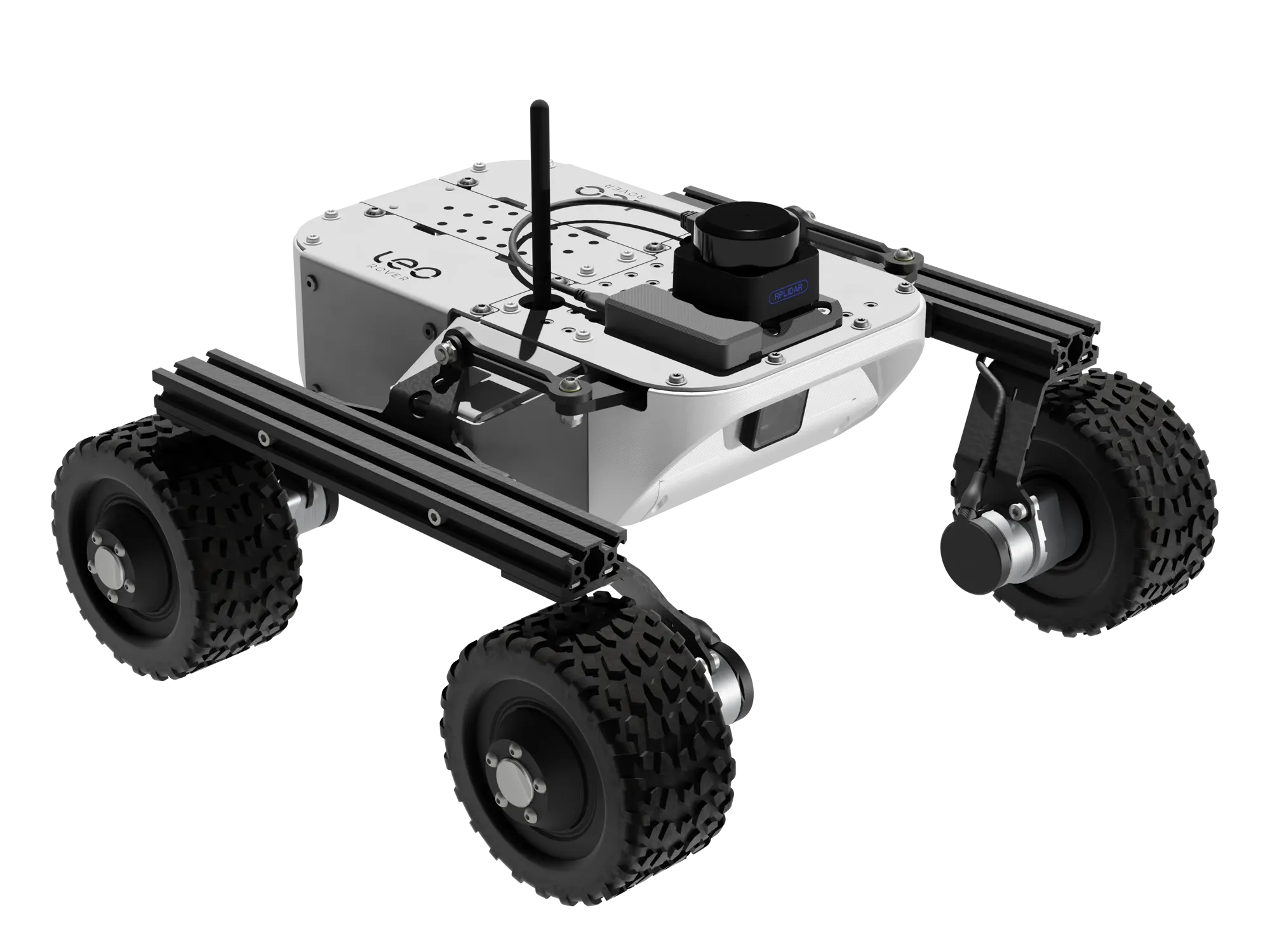
SLAMTEC RPLIDAR S3 Integration
This tutorial will guide you through the process of connecting a LiDAR sensor to your Leo Rover.
Light Detection and Ranging devices, or lidars for short, are mechanisms used for mapping the environment, object detection, tracking the speed of vehicles and in a wide range of other applications. In robotics 2D lidars, like A2M8 / A2M12, are used for things such as indoor SLAM (Simultaneous localization and mapping) or safety systems.
What to expect?
After finishing the tutorial you should be able to both gather the lidar data and visualize it using RViz. Just like in the image below:
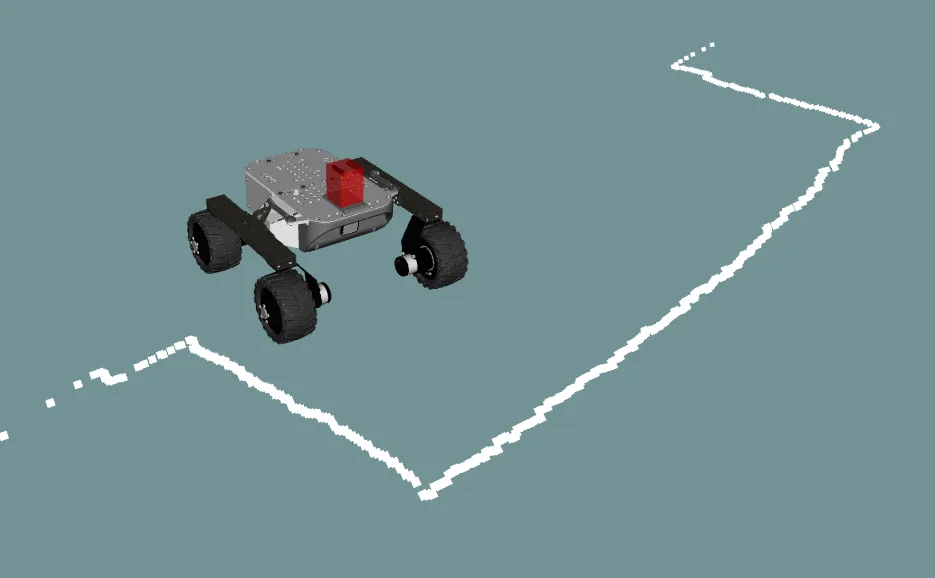
The robot will publish
LaserScan messages
on the /scan topic.
Prerequisites
Below is the list of all additional tutorials required to complete the integration.
Referenced products

Hardware integration
Mounting
If you bought the integration kit, you can use the mounting adapter included in the kit. It is designed to mount the sensor on top of the rover's mounting plate, providing a wide field of view with minimal obstructions.
Required components (included in the integration kit):
- RPLidar S3
- RPLidar S3 adapter plate
- TTL-to-USB adapter
- M5x10 Allen head screws x4
- M2.5x6 Allen head screws x4
Assembly require using two Allen keys that are not included in the package - sizes 2 mm and 4 mm.
To mount the sensor:
- Align the RPLIDAR S3 with the adapter plate and secure it using 4 x M2.5x6 Allen head screws — one in each corner of the sensor base.
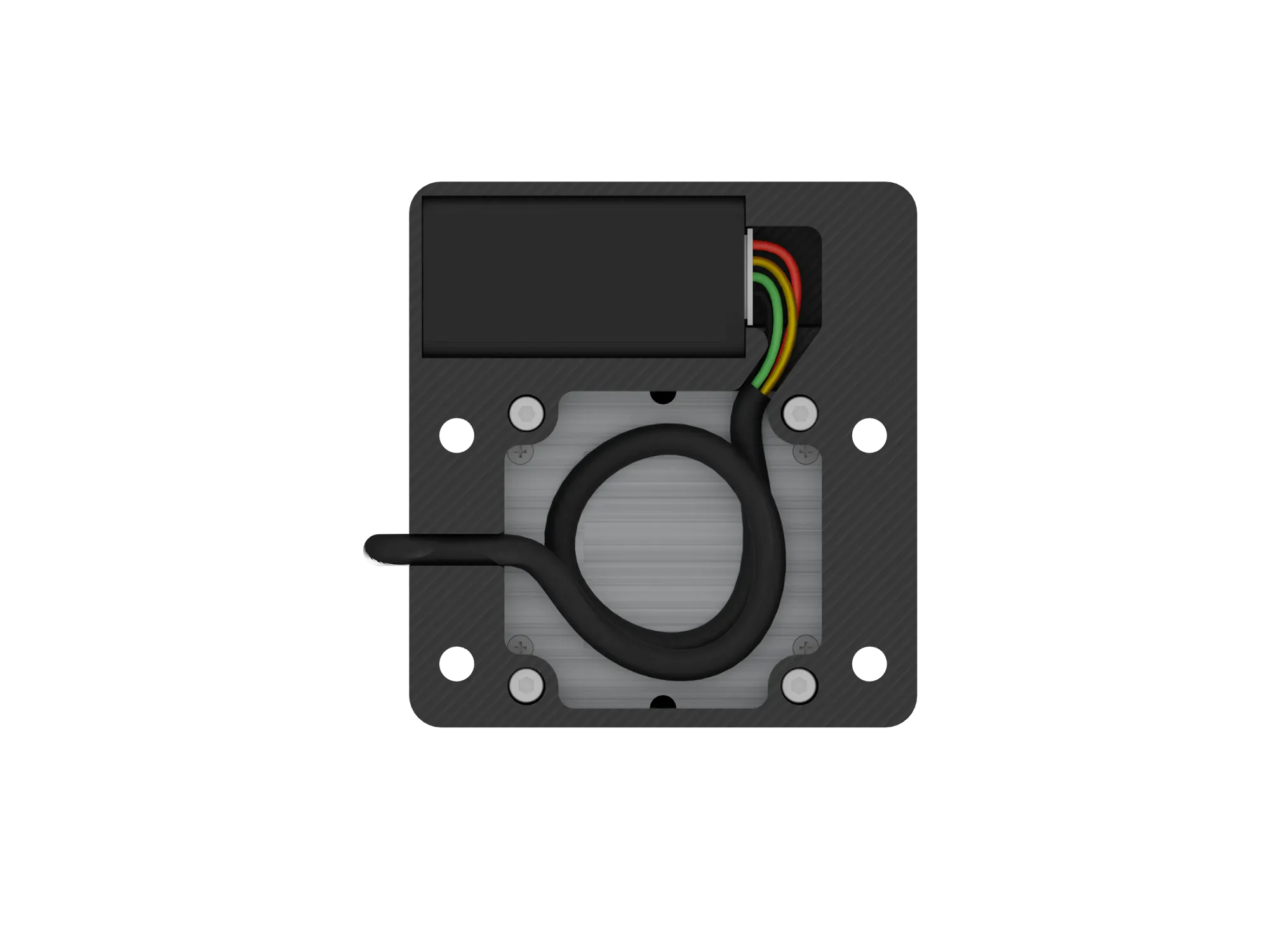
- Connect the JST connector to the TTL-to-USB adapter and insert the adapter into the plastic mount. Tuck the excess cable into the cavity. The completed assembly should resemble the image below.
- Place the assembled sensor on the top of the Leo Rover's mounting plate.
- Fasten the adapter plate to the rover using 4 x M5x10 Allen head screws.
If you don't have the integration kit, you can also 3D print the adapter plate yourself. Get the files from the Addon Adapters page.
When positioning the sensor, make sure the laser beam's 360° field of view is not obstructed by cables, antennas, or other parts of the rover.
Wiring
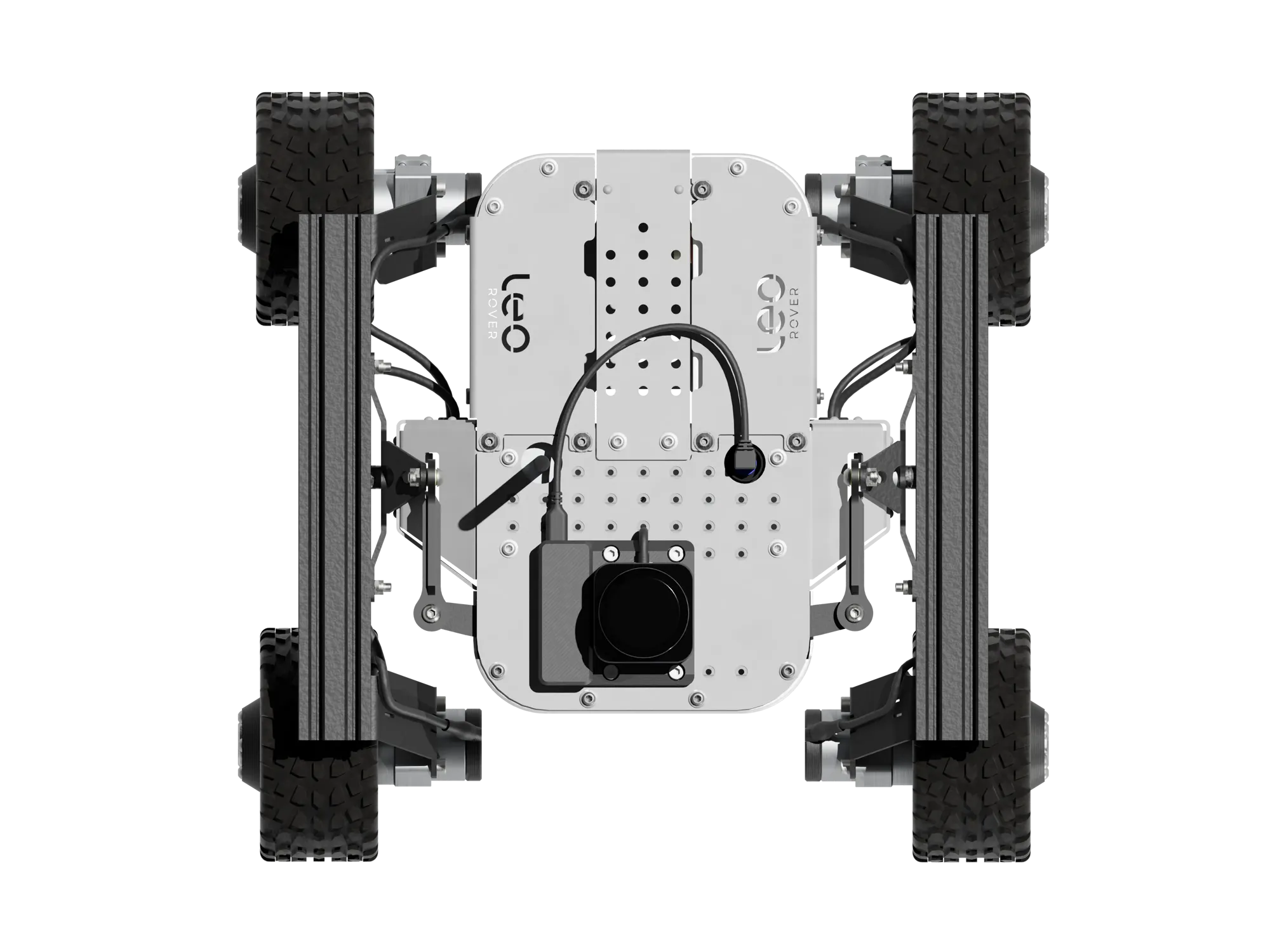
To connect RPLIDAR S3 to Leo Rover 1.9 use provided USB micro - USB C cable.
- Connect USB micro end to TTL-to-USB adapter.
- Connect USB C end to Leo Rover's external USB interface.
Correct connection is shown in the photo bellow.
If other USB devices are connected to Leo Rover it may be required to connect 5V power to TTL-to-USB adapter.
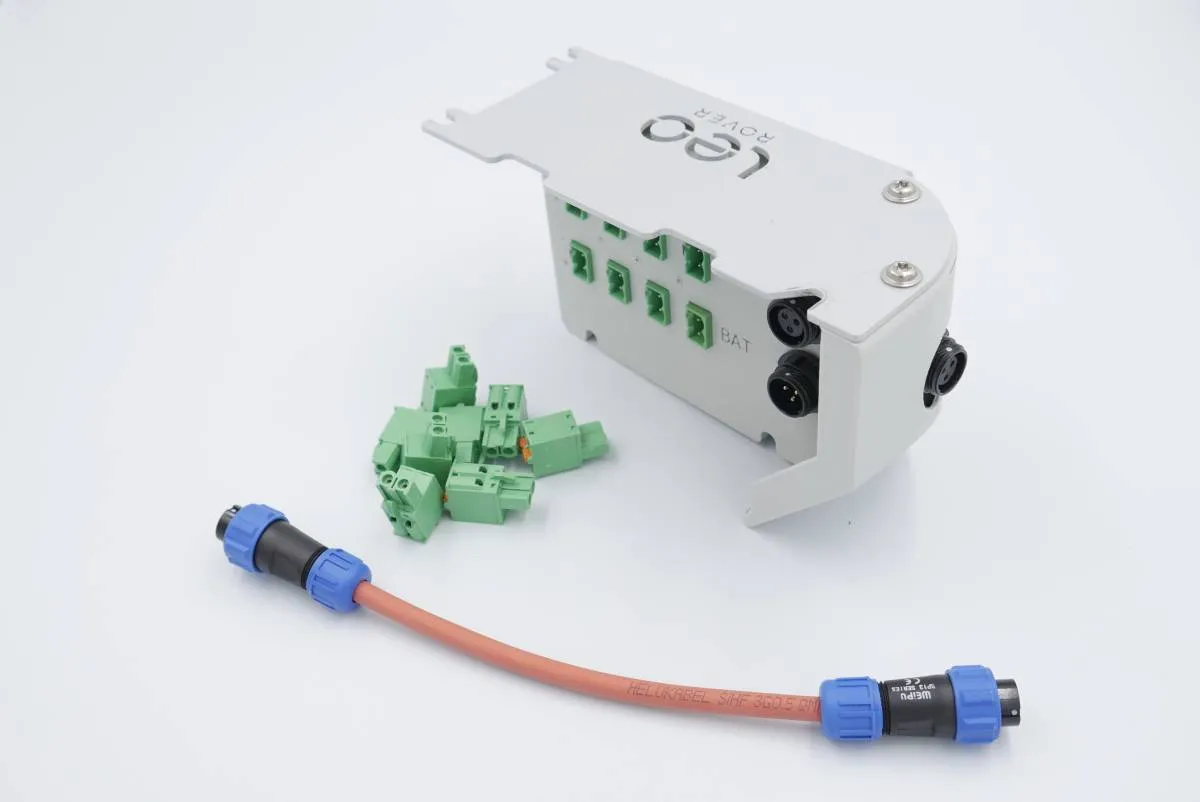
In this case we recommend using powerbox addon and modified barrel jack cable. Contact us to get details about modifying the cable.
With everything connected, you are ready to try out your new sensor.
Software integration
Perform these steps on the Leo Rover computer.
The first thing you can do is to make sure your device has the correct
permissions and is available at the fixed path on your system. To do this, you
can add the following rule to the udev service by creating a file named
lidar.rules in the /etc/udev/rules.d/ directory with the following content:
KERNEL=="ttyUSB*", ATTRS{idVendor}=="10c4", ATTRS{idProduct}=="ea60", MODE="0666", GROUP="dialout", SYMLINK+="lidar"
After creating the file, reload udev rules by typing:
sudo udevadm control --reload-rules && sudo udevadm trigger
Your device should now be available at the /dev/lidar path.
Next, install a ROS package that provides a node for the sensor:
sudo apt update && sudo apt install ros-${ROS_DISTRO}-rplidar-ros
Now, create a launch file that would start the node with a fitting configuration.
<launch>
  <node pkg="rplidar_ros" exec="rplidar_node">
    <param name="serial_port" value="/dev/lidar"/>
    <param name="serial_baudrate" value="1000000"/>
    <param name="frame_id" value="laser_frame"/>
  </node>
</launch>
Include your launch file in the /etc/ros/robot.launch.xml file, so that your
node will start at boot.
Insert the following line between the <launch> tags of the file:
<include file="/etc/ros/laser.launch.xml"/>
The last step is to either reboot the robot or restart the nodes with:
ros-nodes-restart
Modifying the URDF model
Your robot should be aware of where the sensor is located and what space it occupies. You can ensure it does that by creating a URDF model of the sensor.
The URDF model provided in this guide assumes the sensor is mounted using our adapter plate in the default position on top of the rover. If you mount the sensor in a different position, you will need to adjust the origin values in the URDF file accordingly so that the sensor is correctly positioned in the robot model.
<?xml version="1.0"?>
<robot>

  <link name="sp3lidar_link">
    <visual>
      <origin xyz="0 0 0.009"/>
      <geometry>
        <box size="0.08 0.08 0.018"/>
      </geometry>
      <material name="support">
        <color rgba="0 0 0 0.6"/>
      </material>
    </visual>
    <visual>
      <origin xyz="0 0 0.02975"/>
      <geometry>
        <box size="0.055 0.055 0.0235"/>
      </geometry>
      <material name="base">
        <color rgba="0.0 0.0 0.0 1.0"/>
      </material>
    </visual>
    <visual>
      <origin xyz="0 0 0.0504"/>
      <geometry>
        <cylinder radius="0.0253" length="0.0178"/>
      </geometry>
      <material name="lidar">
        <color rgba="1.0 0.0 0.0 0.7"/>
      </material>
    </visual>
    <collision>
      <origin xyz="0 0 0.009"/>
      <geometry>
        <box size="0.08 0.08 0.018"/>
      </geometry>
    </collision>
    <collision>
      <origin xyz="0 0 0.02975"/>
      <geometry>
        <box size="0.055 0.055 0.0235"/>
      </geometry>
    </collision>
    <collision>
      <origin xyz="0 0 0.0504"/>
      <geometry>
        <cylinder radius="0.0253" length="0.0178"/>
      </geometry>
    </collision>
  </link>

  <joint name="sp3lidar_joint" type="fixed">
    <origin xyz="0.0775 0 0.0"/>
    <parent link="base_link"/>
    <child link="sp3lidar_link"/>
  </joint>

  <link name="laser_frame"/>

  <joint name="laser_joint" type="fixed">
    <origin xyz="0 0 0.048" rpy="0 0 3.14159"/>
    <parent link="sp3lidar_link"/>
    <child link="laser_frame"/>
  </joint>

</robot>
And include it in the description that is uploaded at boot in between the
<robot> tags.
<xacro:include filename="/etc/ros/urdf/laser.urdf"/>
You can experiment with the URDF file and create a more representative model of the sensor by adding more visual and collision tags or by including meshes in STL or COLLADA format.
To apply the changes, restart the nodes again.
ros-nodes-restart
Example usage
Reading and visualizing the data
The robot should now publish the
LaserScan messages
on the /scan topic. You can check the raw data that it sends by typing:
ros2 topic echo /scan
If you have ROS installed on your computer, you can get a more graphical representation of the data with RViz. If you don't have ROS, you can follow this guide:
To open RViz, type:
rviz2
Make sure that ROS is sourced on your computer, if not you can do it by typing:
source /opt/ros/<your_ros_distro>/setup.bash
and replacing <your_ros_distro> with the name of your ROS distribution, for
example jazzy.
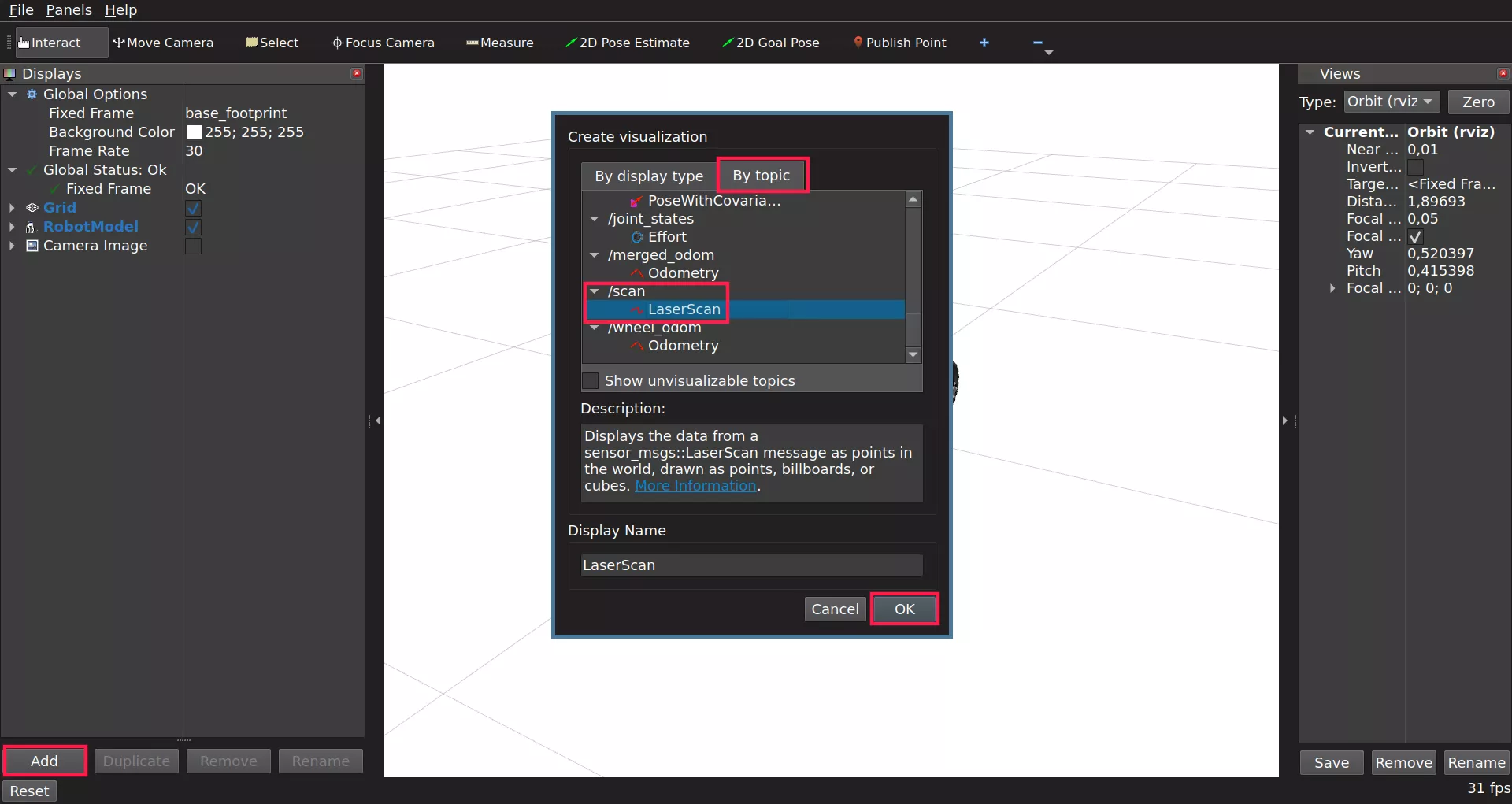
On the Displays panel click Add -> By topic and search for the /scan
topic. Choose the LaserScan display and click Ok.
Sometimes the scan data might not be visible as it will blend in with the background. To fix this you need to change the color of the displayed laser. To do so, use the drop down arrow option from added LaserScan and set Color Transformer to FlatColor. As you do so, there will appear Color option which you can use to change the displayed laser.
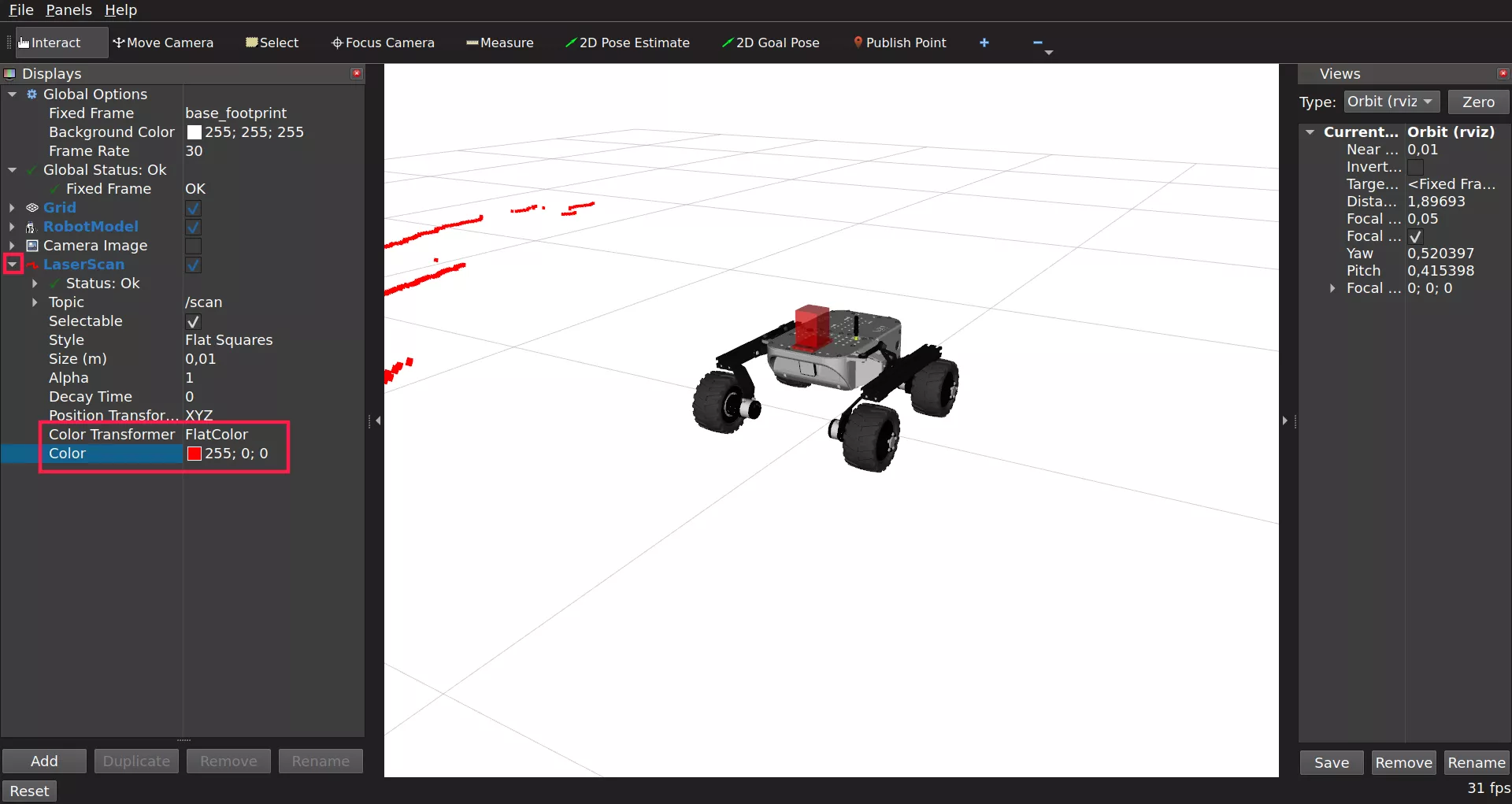
You should now be able to see the data from the sensor visualized as points in 3D space.
To put the points into the camera image, you can also add the Camera display.
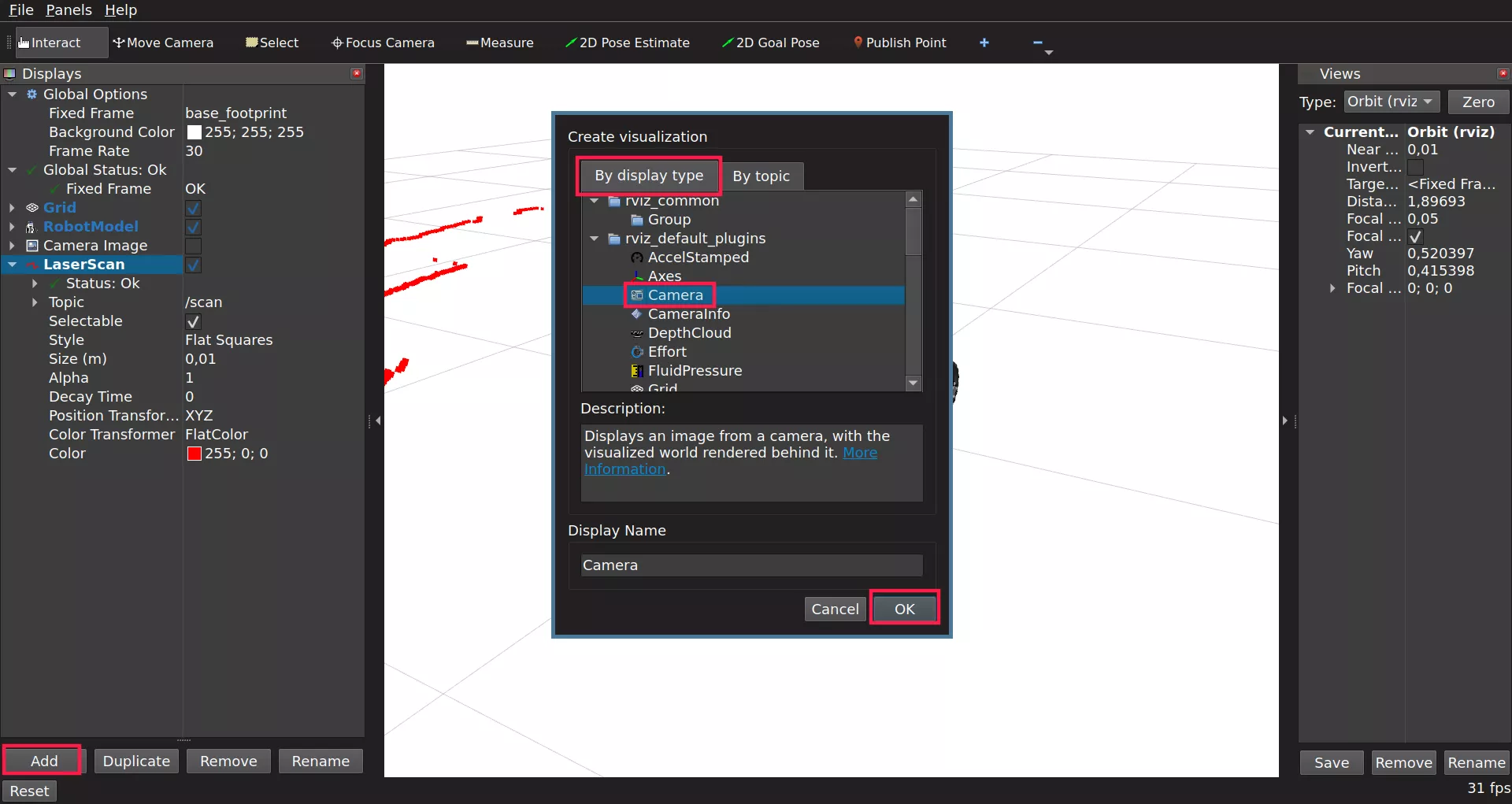
Be sure to select /camera/image_color as the Image Topic.
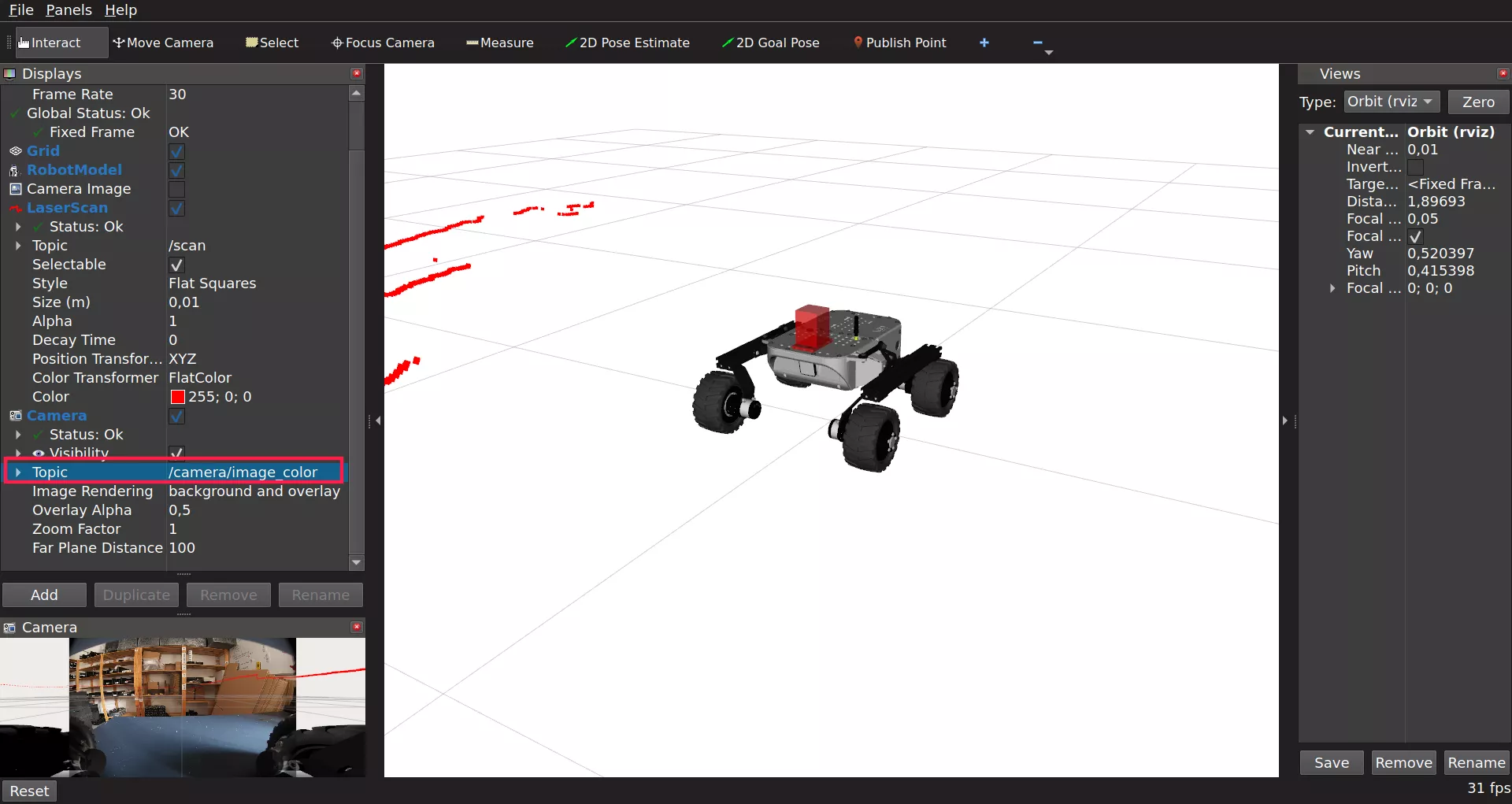
Here's an example end result:
What's next?
Lidars are commonly used in projects involving autonomous navigation, you might be interested in a tutorial about it.
They are however, not the only way of teaching a Leo Rover how to move on its own. Check out our line follower tutorial if you want to learn more. You can also check our Integrations page for other sensors that might complete your setup.